01Patient concern
I'm an adult — is it too late for orthodontics?
There is no age limit for orthodontic treatment. Adult orthodontics is increasingly common and can achieve excellent results at any age with proper diagnosis.

Answers before you ask
Metal · Ceramic · Lingual · Clear aligners
Clear aligners · Ceramic · Metal · Case-specific selection · One-on-one care
Our Numbers · Clinical Standards
4
board-certified specialists
Ceph
Cephalometric analysis
Digital
Intraoral scanner impression
Simulation
Pre-treatment result preview
First exam & consultation free
Digital simulation preview
Installment plans available
Payment options per treatment phase
Evening hours available
Mon & Thu until 8 PM
Definition
Orthodontic treatment uses braces or clear aligners to gradually move misaligned teeth and jaws into their correct positions.
Beyond aesthetics, properly aligned teeth are easier to clean, reducing the risk of cavities and gum disease.
Options include metal braces (most economical, suitable for complex cases), ceramic braces (tooth-colored, less visible), lingual braces (placed on the inner surfaces of teeth, invisible from the outside), and clear aligners (removable, nearly invisible).
The appropriate appliance is selected based on the degree of misalignment, treatment goals, and patient lifestyle through comprehensive diagnosis including cephalometric analysis and digital scanning.
There is no age limit for orthodontic treatment. Adult orthodontics is increasingly common and can achieve excellent results at any age with proper diagnosis.
Ceramic braces are tooth-colored and much less visible than metal braces. Lingual braces are placed on the inner surfaces and invisible from the outside. Clear aligners are nearly invisible and removable.
Treatment duration varies with the degree of misalignment, typically ranging from 18 months to 3 years. Clear aligner cases for mild to moderate crowding may be completed in a shorter timeframe.
Some adjustment is needed initially — mild discomfort after wire changes and dietary modifications for fixed braces. Clear aligners can be removed for eating and brushing, minimizing lifestyle impact.
Some soreness is expected after each wire change or when new aligners are inserted, typically lasting 2–4 days. Over-the-counter pain relief is usually sufficient.
Retainers should generally be worn full-time for the first 6–12 months, then at night indefinitely to maintain results. Teeth can relapse without adequate retention.
Many bite discrepancies can be corrected with orthodontics alone. Severe skeletal discrepancies may require combined orthodontic and surgical treatment — this is assessed through comprehensive diagnosis.
In many cases, orthodontic treatment can be performed around existing restorations. The attending orthodontist will evaluate the situation and modify the treatment plan accordingly.
Patient cases
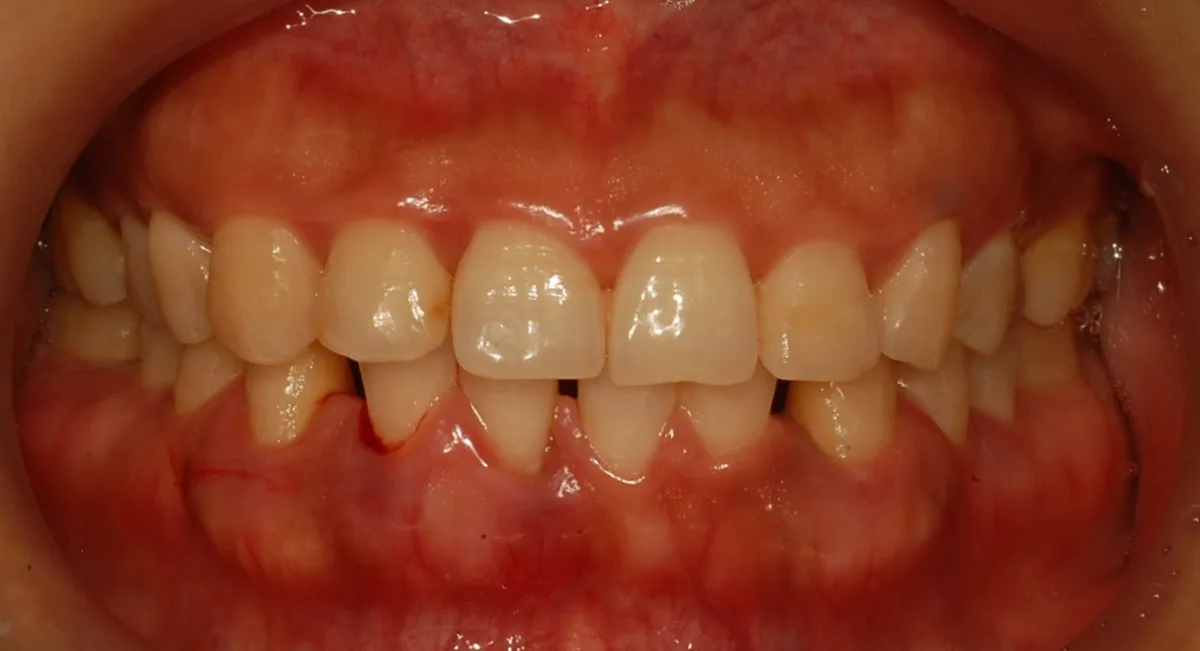 Before
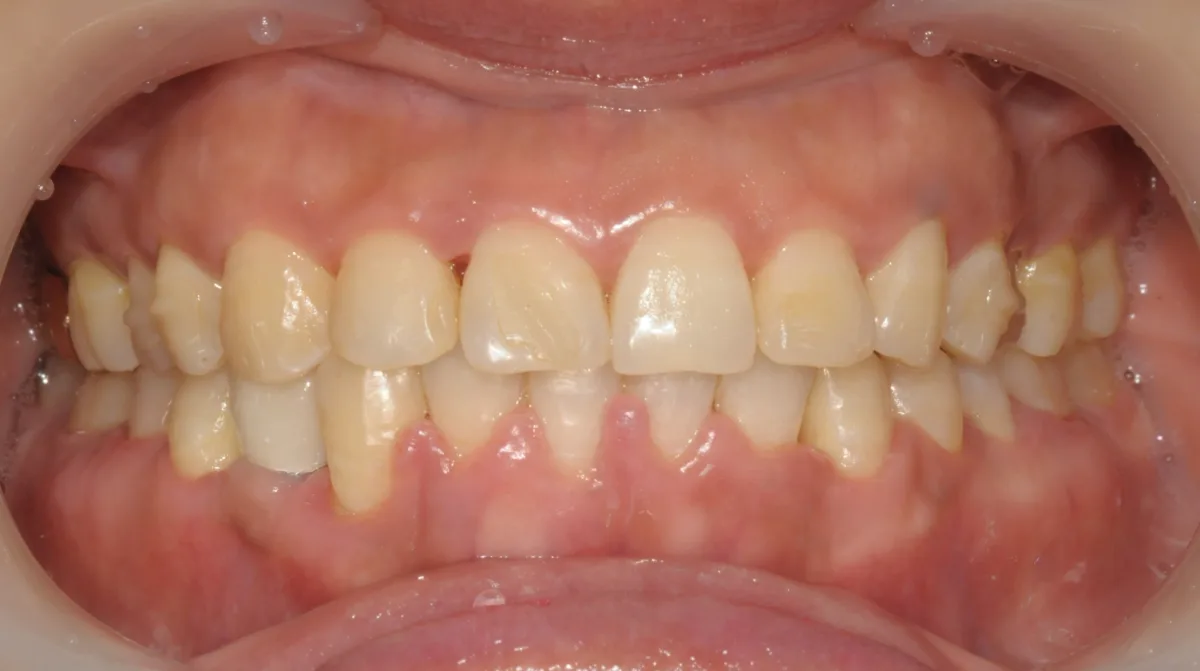 After
AfterOrthodontics
Orthodontic Case 1
Patient K. (A) · 2023.08.28 ~ 2025.08
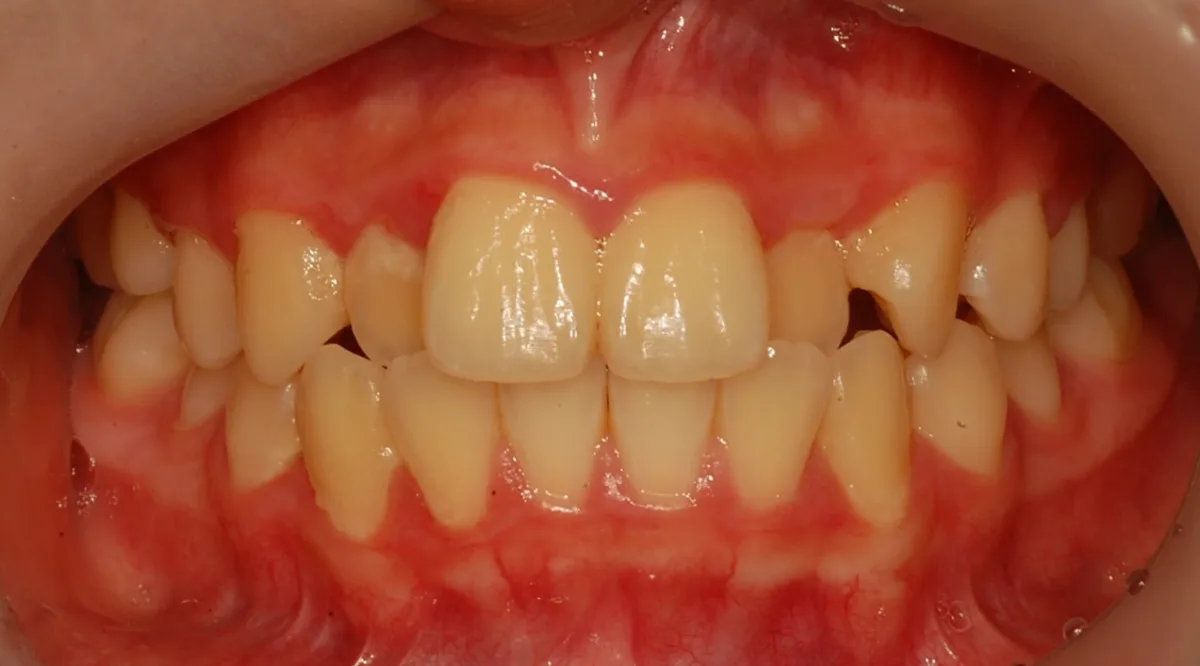 Before
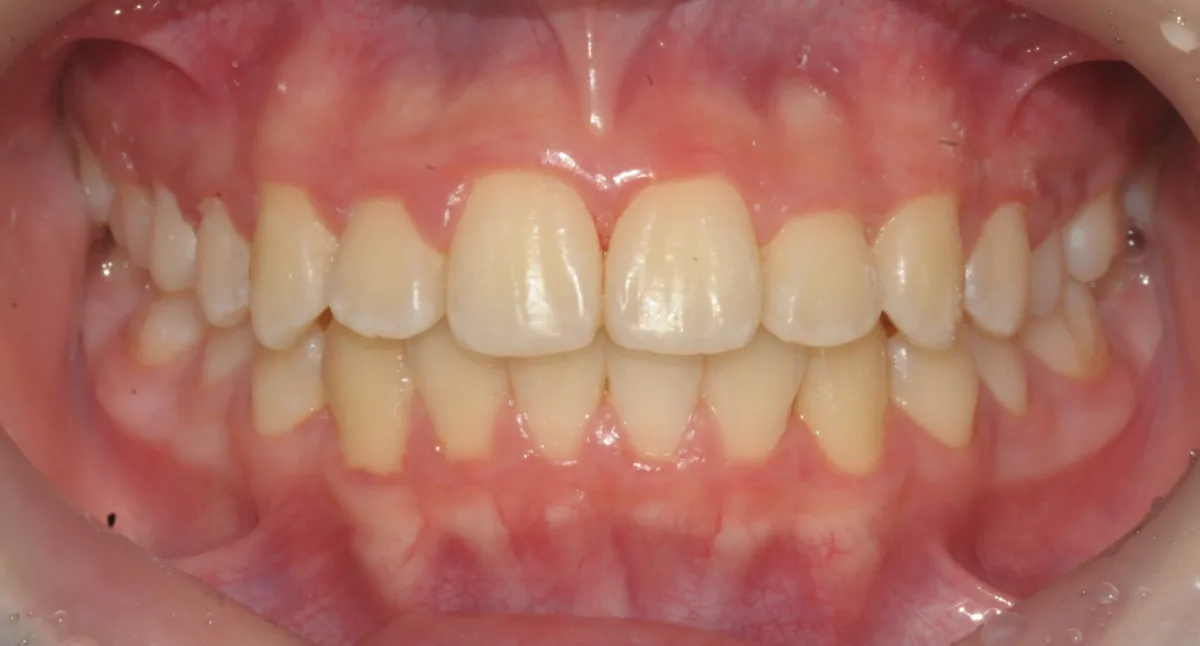 After
AfterOrthodontics
Orthodontic Case 2
Patient K. (B) · 2023.05.29 ~ 2025.05
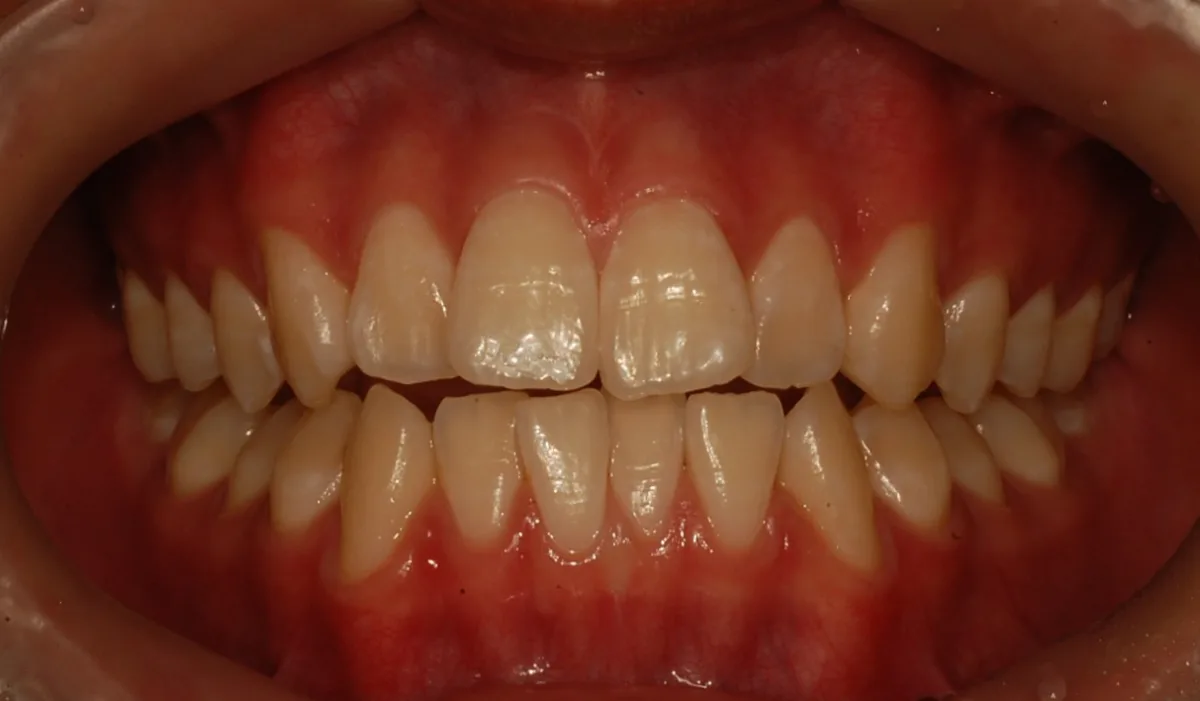 Before
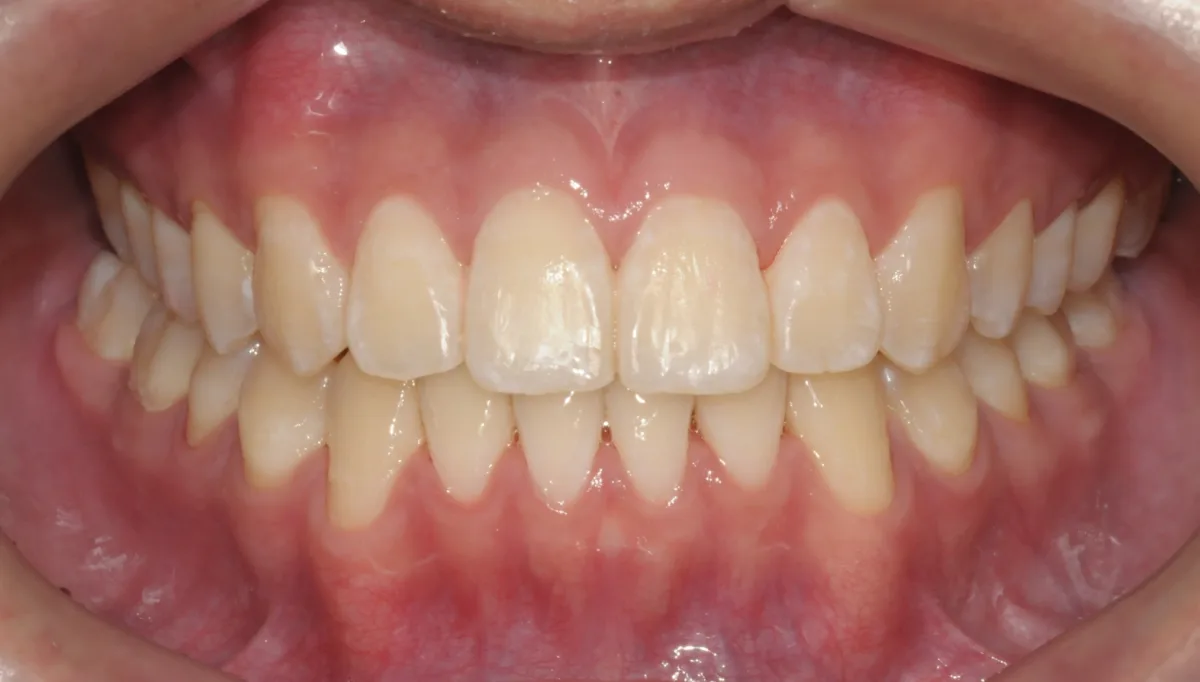 After
AfterOrthodontics
Orthodontic Case 3
Patient L. · 2023.07.26 ~ 2025.07
* Published with patient consent. Before/after photos are of the same patient under identical shooting conditions.
* Results may vary depending on the patient.
* Side effects such as pain, swelling, bleeding, or infection may occur after treatment.
Patient reviews are available on NAVER Place.
Who stands behind these answers

Hospital Director
Dr. Choi Yong-seok
Oral & Maxillofacial Radiology · Integrated Dentistry · Implantology
“I believe the trust patients feel during treatment matters more than the result itself. Honest explanation and accurate diagnosis — that is where good dentistry begins.”
Step 01
Cephalometric radiograph, panoramic X-ray, intraoral photos, and digital scan are analyzed to assess tooth and jaw positions.
Step 02
An individualized treatment plan is formulated and a simulation of the expected tooth movement is shared with the patient.
Step 03
Braces are bonded or the first set of clear aligners is provided. Detailed instructions on care and diet are given.
Step 04
Braces are adjusted approximately every 4–6 weeks; clear aligner sets are changed approximately every 1–2 weeks.
Step 05
Appliances are removed and retainers are fitted to maintain the final tooth positions.
What happens when you call
01
Name, contact, and a brief note on symptoms. We respond within 30 minutes on weekdays.
02
An oral radiology specialist reviews the scans together with you on screen. Alternative options are also discussed.
03
Only the steps you truly need. Full costs are transparently explained at your first consultation.
Still have questions?
We will contact you promptly after your online registration.
Explore other treatments
A natural, confident smile designed for you
Preserve your teeth while completing your smile
End the discomfort of missing teeth
Multiple missing teeth — resolved in one treatment
Full-arch restoration with minimal implants, even with bone deficiency
Minimally invasive — less swelling, faster recovery
Are you here because of these symptoms?