DR.BEAUTY
← TreatmentsConsult →
Dental Laminates (Veneers) main image

Answers before you ask

Preserve your teeth — transform your smile

Shade · Shape · Size improved in one conservative treatment

Minimal-prep laminates · Natural tooth preservation · Precision ceramic prosthetics

Our Numbers · Clinical Standards

Laminates — 0.3–0.7 mm minimal reduction preserves your teeth

0.3~0.7mm

Ceramic shell thickness

Class B

European EN13060 infection control

Medit

Intraoral scanner digital impression

4

Specialist collaboration

Digital shade & form simulation

Preview results before treatment

First exam & consultation free

Preservation eligibility pre-checked

Evening hours available

Mon & Thu until 8 PM

View pricing table →Fees are explained per item during consultation — see our pricing page for the full non-covered fee schedule

Definition

What is a dental laminate (veneer)?

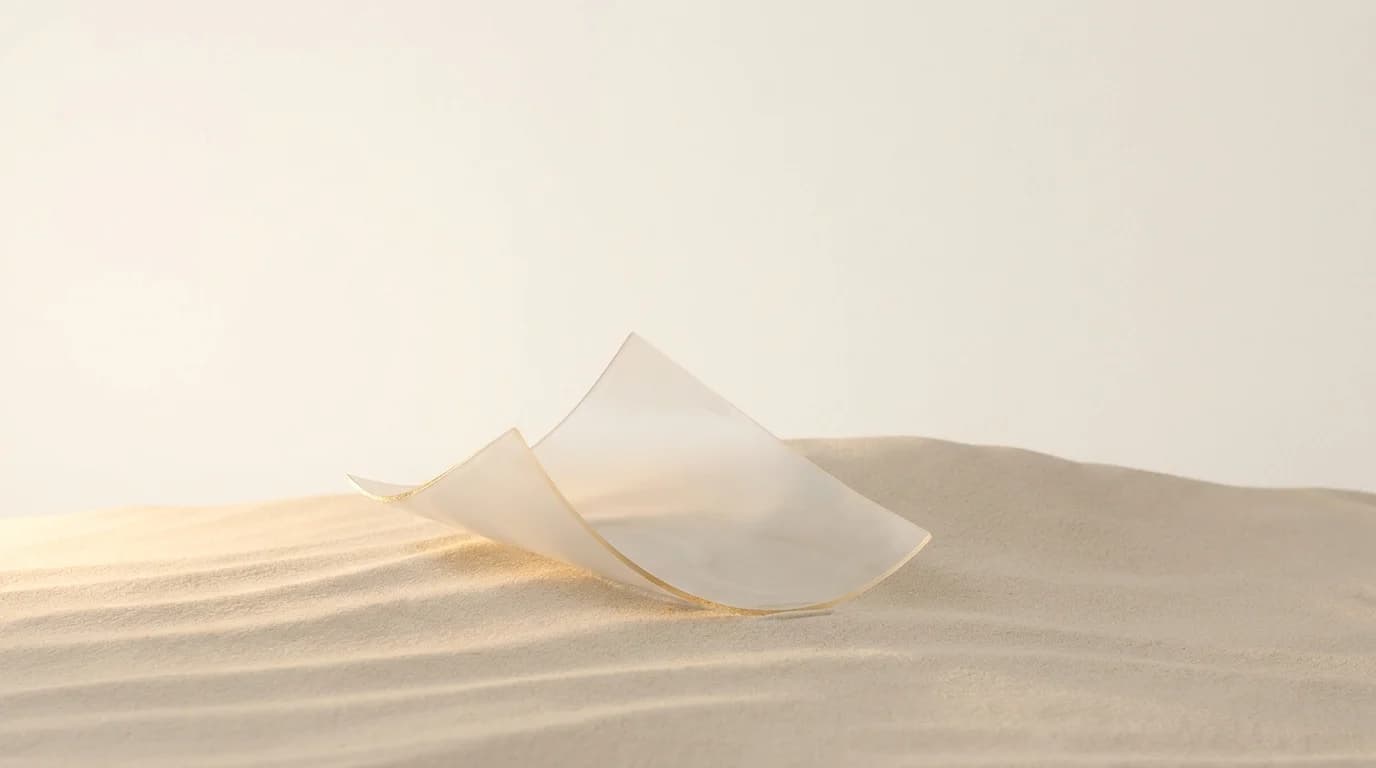
A dental laminate (laminate veneer) is an aesthetic treatment in which a thin ceramic shell — 0.3–0.7 mm thick — is bonded to the front surface of the tooth to improve shade, shape, and size.

Unlike a crown that covers the entire tooth, a laminate requires only minimal reduction of the front surface — or sometimes none at all — making it possible to preserve healthy enamel and nerve tissue to a greater extent.

Ceramic replicates the translucency and sheen of natural teeth, blending naturally with surrounding dentition.

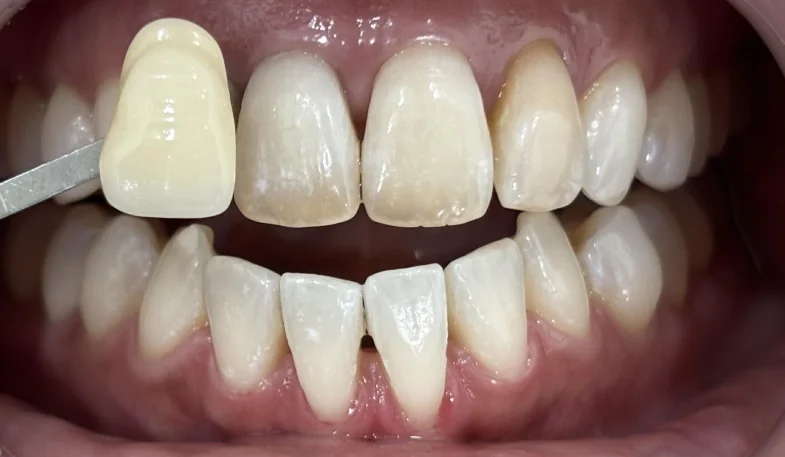
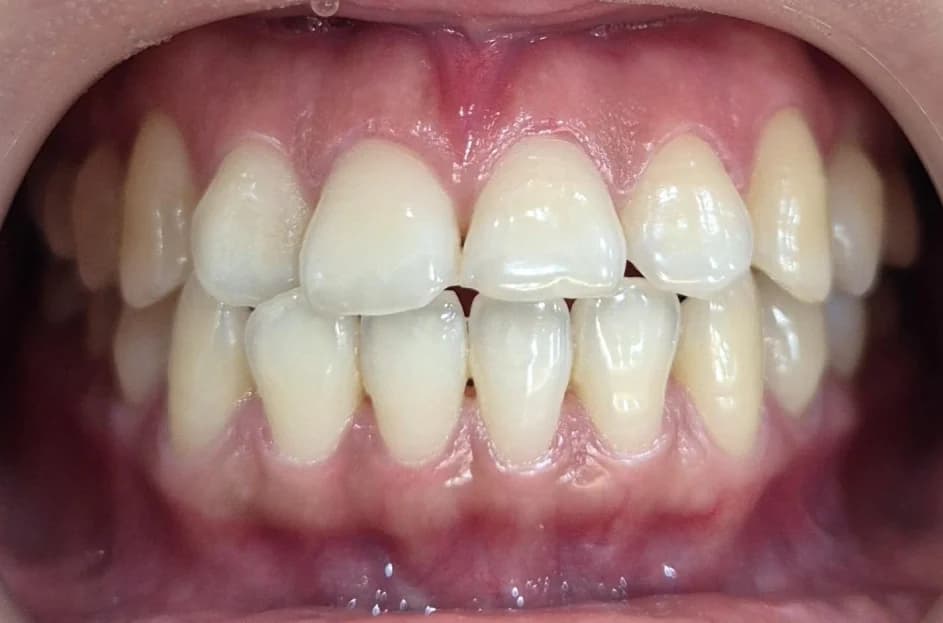
Tooth discoloration, anterior cavities, gaps between teeth, peg laterals, rotated front teeth, and replacement of aging restorations can often all be addressed in a single treatment.

Laminates are reported to be applicable even for congenital discoloration and fluorosis that cannot be improved with whitening, with custom design to the desired shade and shape.

Dr. Beauty Dental Hospital's digital laminates use 2D/3D/4D simulation to preview the outcome before any treatment begins. In-house digital design and fabrication ensure precision.

Digital treatment planning prevents unnecessary tooth reduction, and continuous digital data processing minimizes error for a natural, long-lasting smile.
Benefits

Four advantages of dental laminates

  • 01Maximum natural tooth preservation — maintain healthy enamel with minimal or no reduction
  • 022D/3D/4D simulation — digital design lets you preview results before treatment
  • 03Completion in 2–3 visits — digital impression data transmitted directly for fast fabrication
  • 04Natural aesthetics — shade, translucency, and texture matched to natural teeth
01Patient concern

Is it possible to have laminates without tooth reduction?

Depending on the case, treatment with no reduction — or minimal reduction of only 0.3–0.7 mm — is feasible in many situations. Digital simulation predicts the required reduction in advance, preventing unnecessary removal.

02Patient concern

How long do laminates last?

Fabricated from high-strength ceramic material with durability similar to natural teeth, laminates are known to last over 10 years with proper care. We recommend 6-month check-ups to assess the bonding.

03Patient concern

I'm worried the color will look unnatural next to my other teeth

Shade matching and 4D trial placement allow the shade, translucency, and texture to be confirmed against natural teeth before the final design is committed. Custom design to the desired brightness is possible.

04Patient concern

Will they chip if I eat hard food?

Although durability is similar to natural teeth, it is advisable to avoid biting ice and hard nuts. For patients with severe bruxism, a protective appliance may be recommended after separate consultation.

05Patient concern

I'm hesitant because the result might not meet my expectations

A three-stage simulation system — 2D smile design, 3D simulation, and 4D trial placement — allows you to see how the result will look in your actual mouth before the design is finalized. Fabrication proceeds only with your consent.

06Patient concern

Are there cases where laminates are not suitable?

Severe bruxism, significant occlusal imbalance, or cases where extensive tooth reduction has already occurred may be better suited to crowns. We will recommend the optimal approach after precise diagnosis.

07Frequently asked

What is the difference between a laminate and a crown?

A laminate is bonded thinly to only the front surface of the tooth, requiring very little tooth reduction. A crown covers the entire tooth and requires significant reduction. A laminate is a conservative treatment that maximizes preservation of healthy tooth structure.

08Frequently asked

How long does treatment take?

The entire process — scan, design, and fabrication — is digitized, allowing completion in 2–3 visits. The workflow is: simulation → fabrication → placement; direct digital data transfer means minimal waiting.

09Frequently asked

How much tooth needs to be reduced?

It varies by case, but reduction is kept to the absolute minimum. Digital simulation predicts the necessary reduction in advance to prevent unnecessary removal.

10Frequently asked

How durable are laminates?

High-strength ceramic material provides durability similar to natural teeth. With proper care, they are known to last over 10 years. Patients who grind their teeth require separate consultation.

11Frequently asked

How do I care for laminates afterward?

Brush and floss just as you would natural teeth. Avoid habits such as biting ice and hard nuts. Regular check-ups every 6 months are recommended.

12Frequently asked

Can laminates fix discolored teeth?

Yes — when discoloration or staining is severe and whitening cannot achieve the desired improvement, laminates are an effective option. Custom fabrication to the brightness you want is possible.

13Frequently asked

Can I see the result before treatment?

Yes — our 2D/3D/4D simulation system lets you see the expected result before any treatment begins. At the 4D trial placement stage, you experience the result in your actual mouth before the final design is confirmed.

14Frequently asked

When are laminates not suitable?

Severe bruxism, significant occlusal imbalance, or cases with extensive existing tooth reduction may be better suited to crowns. The optimal approach is determined after precise diagnosis.

Highlights

What makes this treatment different

The principle of minimal reduction: enamel preservation

The core principle of laminates is treating the tooth with the absolute minimum required reduction. Enamel is the hardest tissue in the human body — once removed, it does not regenerate. A crown requires 1–2 mm of reduction around the entire circumference of the tooth, whereas a laminate requires only 0.3–0.7 mm of reduction on the front surface — or none at all. The more enamel that remains, the stronger the bond with the ceramic, which is associated with better long-term prognosis. Dr. Beauty Dental Hospital uses digital simulation to plan the minimum necessary reduction in advance, so that no unnecessary reduction occurs during treatment. This approach embodies a conservative treatment philosophy that achieves aesthetic goals while protecting natural tooth health as much as possible.

2D/3D/4D simulation: previewing your results

The most important thing in laminate treatment is that the result the patient wants matches the actual result. Dr. Beauty Dental Hospital eliminates this gap through a three-stage simulation system. First, the 2D smile design simulation applies 10 smile guidelines to facial photographs to design the ideal smile line. Second, the 3D simulation builds the tooth shape three-dimensionally on a 3D model created by the digital intraoral scanner. Third, the 4D trial placement places a temporary result closely approximating the final laminate directly in the patient's mouth. The patient views the result from the front, side, and while smiling, and confirms the final design before fabrication begins.

Patient cases

Patient cases

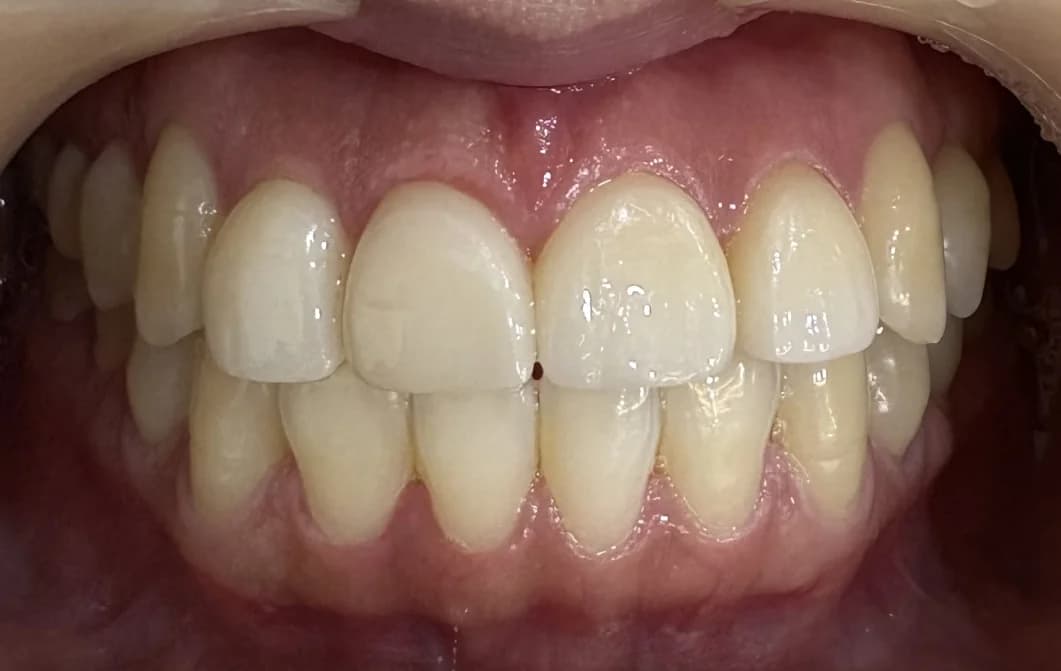
Upper Anterior Laminate Veneer 1 BeforeBefore
Upper Anterior Laminate Veneer 1 AfterAfter

Cosmetic

Upper Anterior Laminate Veneer 1

Patient B. · 2025.09.26 ~ 2025.10.03

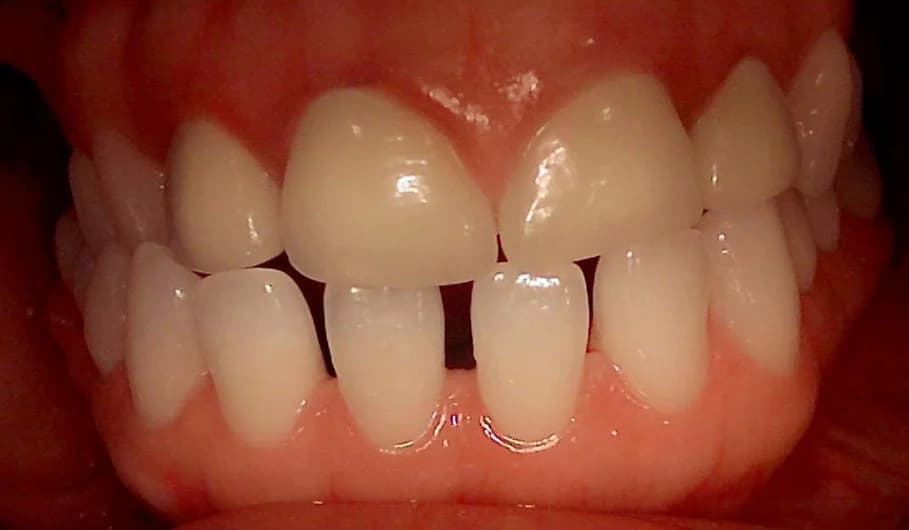
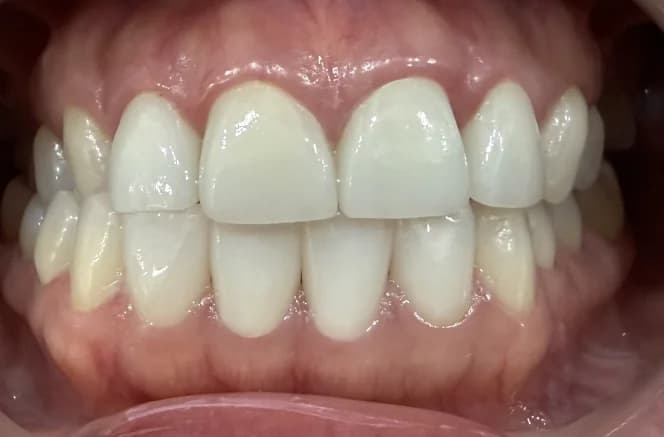
Upper Anterior Laminate Veneer 2 BeforeBefore
Upper Anterior Laminate Veneer 2 AfterAfter

Cosmetic

Upper Anterior Laminate Veneer 2

Patient S. · 2026.01.27 ~ 2026.02.14

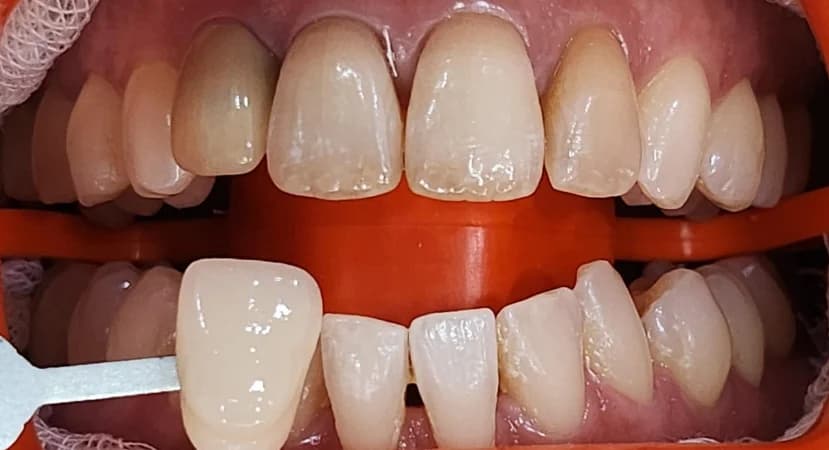
Teeth Whitening 1 BeforeBefore
Teeth Whitening 1 AfterAfter

Cosmetic

Teeth Whitening 1

Patient C. (A) · 2025.08.08 ~ 2025.08.08

* Published with patient consent. Before/after photos are of the same patient under identical shooting conditions.

* Results may vary depending on the patient.

* Side effects such as pain, swelling, bleeding, or infection may occur after treatment.

View all patient cases →

Patient reviews are available on NAVER Place.

Who stands behind these answers

Every answer above is given by our doctors in person.

Hospital Director Dr. Choi Yong-seok

Hospital Director

Dr. Choi Yong-seok

Oral & Maxillofacial Radiology · Integrated Dentistry · Implantology

Board-Certified Oral and Maxillofacial Radiologist (Ministry of Health and Welfare, Korea)Advanced General Dentistry Specialist (Korean credential; no US equivalent)

I believe the trust patients feel during treatment matters more than the result itself. Honest explanation and accurate diagnosis — that is where good dentistry begins.

Hospital Director · Dr. Choi Yong-seok

Representative Director

Dr. Choi Seung-min

Dental Prosthodontics · Implant Prosthodontics · Esthetic Prosthodontics

Board-Certified Prosthodontist (Ministry of Health and Welfare, Korea) · Fellow, Korean Academy of Prosthodontics

Equipment

What equipment do we use?

Digital Diagnostics

Medit Intraoral Scanner

Digital impression to 0.1 mm precision

Equipment

Shade Matching

Step-by-step custom matching to natural tooth shade

Digital Diagnostics

QLF Intraoral Camera

Precise assessment of tooth condition

Laminate treatment process

Step 01

Oral & Facial Examination

X-ray, facial, and intraoral photography comprehensively assess tooth condition and occlusion. If asymmetry or axial discrepancies are present, a 3D facial scan is added for precise analysis.

Step 02

2D Smile Design Simulation

Based on 10 smile guidelines, the ideal smile line suited to facial proportions is designed. Tooth length, width, shade, and smile height are confirmed in 2D first.

Step 03

3D Simulation

A three-dimensional diagnostic model is created with the digital intraoral and facial scanner. Tooth form is refined three-dimensionally on the 3D model to complete a design close to the final shape.

Step 04

4D Trial Placement (Final Design Confirmation)

A temporary result closely approximating the final laminate is placed directly in the patient's mouth. The patient experiences the result while wearing it and confirms the final design.

Step 05

Laminate Fabrication

The ceramic shells are fabricated via digital milling based on the confirmed 3D impression data.

Step 06

Finishing

The milled ceramic shells are polished and glazed to replicate the sheen and texture of natural teeth. Hand ceramic work may be added for fine detail if needed.

Step 07

Precise Bonding & Occlusal Review

The tooth surface is minimally prepared and the shells are bonded with resin cement. After bonding, overall occlusion is reviewed to confirm natural chewing function.

What happens when you call

One call, 30 minutes — all the information you need to decide.

01

Online or phone registration

Name, contact, and a brief note on symptoms. We respond within 30 minutes on weekdays.

02

Precision diagnosis

An oral radiology specialist reviews the scans together with you on screen. Alternative options are also discussed.

03

Treatment plan & cost guidance

Only the steps you truly need. Full costs are transparently explained at your first consultation.

Still have questions?

We'll answer in person during consultation.

During the consultation we walk you through your CT images, and you take all the time you need before deciding.

Book consultationCall · 031-855-7528Evening hours Mon & Thu until 8 PM

Dr.Beauty Dental Hospital