01Patient concern
Are implants really necessary for me?
We show you the CT images and intraoral scanner data on-screen so you can see for yourself why treatment is recommended — or whether an alternative exists — before you decide.

Answers before you ask
One of the few clinics in Uijeongbu where an oral radiology specialist reads your implant scans
Oral radiology specialist reads CBCT directly · 4-specialist collaborative care · EN13060 Class B sterilization · Custom abutments for every case
Our Numbers · Clinical Standards
4
board-certified specialists
6
Core digital devices
Class B
EN13060 Class B sterilization
20:00
Mon & Thu evening close
First exam & consultation free
Explained with CT images
Age 65+ National Health Insurance
Eligibility pre-checked
Evening hours available
Mon & Thu until 8 PM
When treatment is delayed
When a gap is left untreated, neighboring teeth begin to tilt within six months, and the jawbone resorbs at 0.5–1 mm per year. The earlier you receive a diagnosis, the wider your treatment options.
Definition
An implant involves placing a biocompatible titanium artificial root into the jawbone at the site of a missing tooth, then attaching a crown resembling a natural tooth on top.
Titanium has almost no adverse tissue reaction, and after an osseointegration period it bonds firmly with the jawbone.
Leaving a gap untreated causes neighboring teeth to begin tilting into the empty space within six months. Opposing teeth over-erupt, occlusion deteriorates, and the jawbone resorbs at roughly 0.5–1 mm per year.
Once bone is lost, bone grafting is often required before implant placement. The earlier you receive a diagnosis, the wider your treatment options.
Benefits
Pick your case
Choose the concern closest to yours. We'll start from that answer.
We show you the CT images and intraoral scanner data on-screen so you can see for yourself why treatment is recommended — or whether an alternative exists — before you decide.
Dr. Beauty Dental Hospital's clinical philosophy is to recommend only the treatments each patient truly needs, in a stepwise manner, with no over-treatment. Treatment plans are explained fully with imaging and proceed only with your informed consent.
Computer-controlled painless anesthesia is applied as standard, and IV sedation (sleep anesthesia) is available for highly anxious patients. A flapless minimally invasive approach — which minimizes gum incision — can be selected based on individual case suitability.
We analyze remaining bone volume precisely with 3D CT and then guide you toward the most appropriate approach. Options include bone grafting to augment deficient areas, or an All-on-X tilted placement to reduce the need for grafting. Bone-graft cases are detailed on a separate page (Implant Bone Grafting).
Please inform us of any history of diabetes, hypertension, osteoporosis, or bisphosphonate use before treatment. If the condition is adequately controlled, implants are known to be feasible in most cases; internal medicine co-management can be arranged if needed.
Dr. Beauty recommends only the treatments that are truly necessary, in a stepwise fashion after precise diagnosis. Implant costs vary with tooth condition, bone volume, and prosthetic material (zirconia / PFM, etc.); total costs are explained transparently during the consultation following the initial examination. Patients 65 and older may be eligible for National Health Insurance coverage for implants; applicable conditions and co-payment rates will be confirmed together during pre-treatment consultation. Non-covered fee schedules are available by item on the hospital website under Community.
With proper oral hygiene and check-ups every 3–6 months, implants are known to last 10–20 years or longer. The titanium fixture itself does not corrode; the crown on top may need replacement every 10–15 years in some cases.
Osseointegration after placement typically takes 4–6 months in the upper jaw and 2–3 months in the lower jaw. If bone grafting is required, an additional 4–6 months may be needed. A temporary restoration is provided during treatment so eating and aesthetics are not compromised.
An implant root has no nerve, so it cannot develop cavities. However, gum inflammation (peri-implantitis) progresses more rapidly than periodontitis around natural teeth, making regular gum care especially important. Because pain is rarely an early warning sign, regular check-ups have a major impact on implant longevity.
Watch for swollen gums, bleeding when brushing, or reddish-darkening of the gum around the implant. Early-stage peri-implantitis rarely causes noticeable symptoms, so check-ups every 3–6 months are reported to be the most reliable prevention. Smokers and diabetic patients are known to experience faster progression and require extra vigilance.
Every 3 months during the first year, then every 6 months once the implant is stable. Check-ups assess gum condition around the implant, occlusal balance (T-scan), and crown wear. Check-up visits are non-covered; general scaling is covered once per year under National Health Insurance for patients 19 and older.
Yes, but smoking is the single greatest risk factor for osseointegration failure, increasing the failure rate 2–3 times. Nicotine constricts blood vessels, reducing blood flow to the jawbone. We strongly recommend refraining from smoking for at least 2 weeks before and 8 weeks after the procedure.
Brush 2–3 times daily and use interdental brushes or a water flosser, just as you would for natural teeth. Implants cannot develop cavities, but the surrounding gum can become inflamed (peri-implantitis), so professional cleaning and check-ups every 3–6 months are essential.
Highlights · Dr. Beauty Dental Hospital
Implant System
Osstem is reported to be Korea's No. 1 implant brand by domestic market share (industry data); its TS-BA system combines a tapered thread design with BA nano-coating, and delivers strong primary stability and enhanced osseointegration. ALX (Neobiotech) is a next-generation immediate-placement system whose Narrow Core design allows stable placement even in a narrow bone ridge and is suited to flapless minimally invasive procedures. The optimal implant system is selected based on the patient's bone condition, placement site, and prosthetic design.
Diagnostic Difference
In a university hospital, the radiology department typically reads scans independently from the treating department. At Dr. Beauty Dental Hospital, an oral radiology specialist reads the CBCT for every implant case directly, pre-evaluating distances to key structures such as the inferior alveolar nerve and maxillary sinus. The final surgical plan is cross-reviewed by a four-specialist team.
Custom Prosthetics
Dr. Beauty applies custom abutments tailored to each patient's gum anatomy to every implant case. Digital impression data captured with a Medit intraoral scanner are transmitted directly to our partner laboratory, and the attending dentist personally fine-tunes shade, form, and occlusion to match the patient's natural teeth.
Safety & Comfort
The European EN13060 Class B autoclave is classified as a comprehensive sterilization grade, capable of fully sterilizing hollow instruments. All instruments including handpieces (drills) are individually sterilized per patient, and a UV sterilizer disinfects the operatory environment. For patients concerned about pain, computer-controlled painless anesthesia is applied as standard; IV sedation and flapless technique are also available on a case-by-case basis.
Patient cases
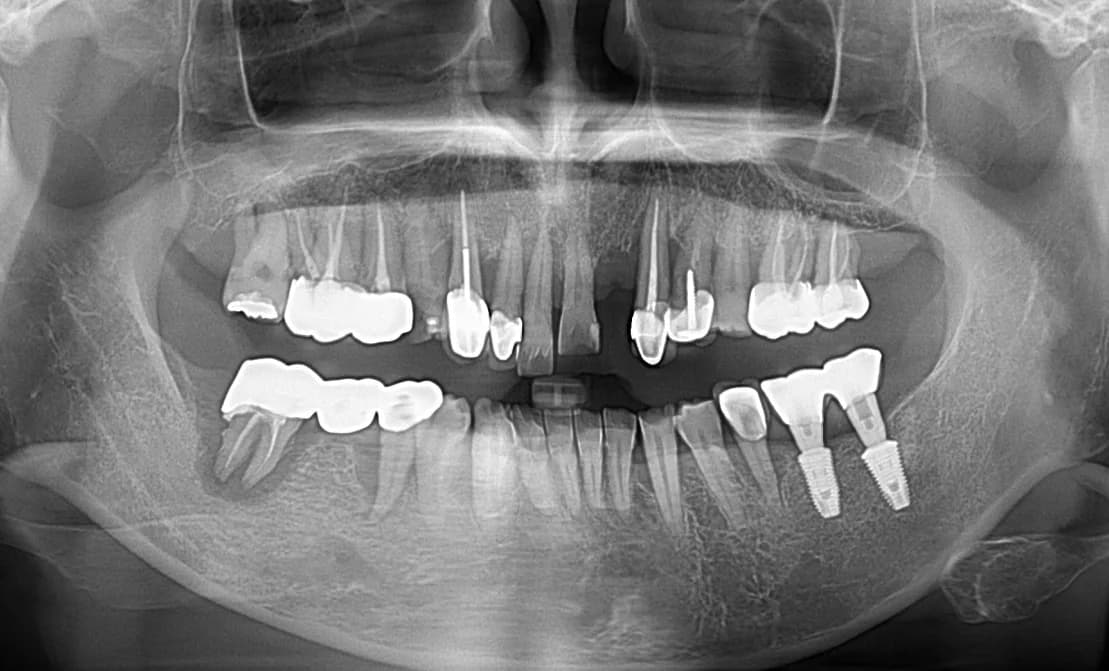 Before
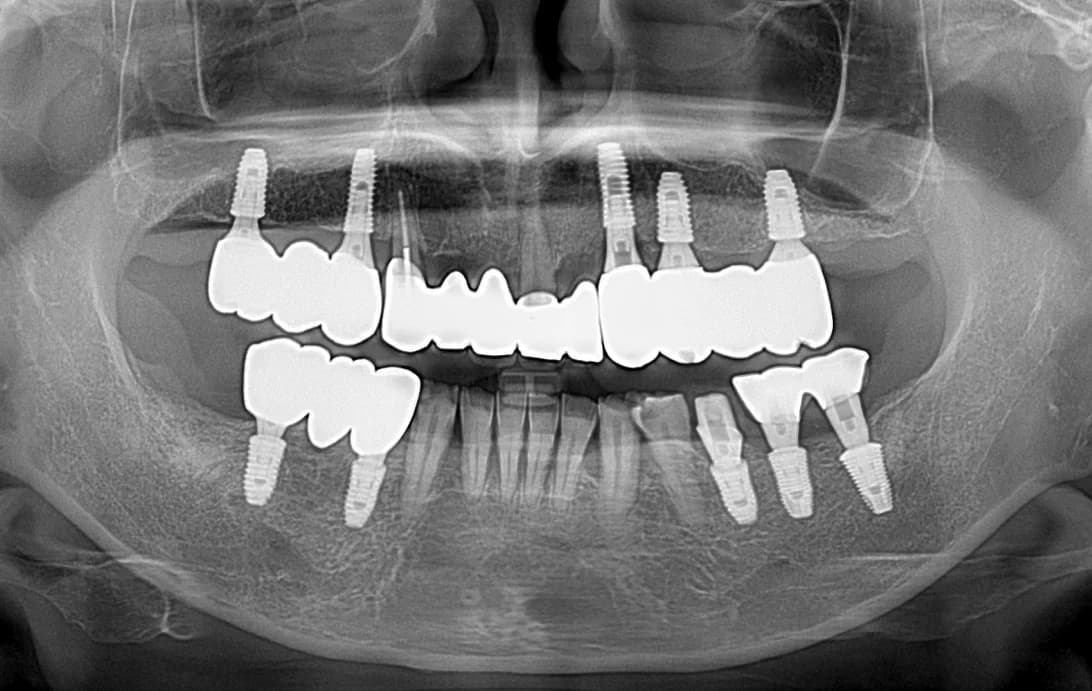 After
AfterImplant
Full-arch Implant Case 1
Patient K. · 2023.09.12 ~ 2025.08.07
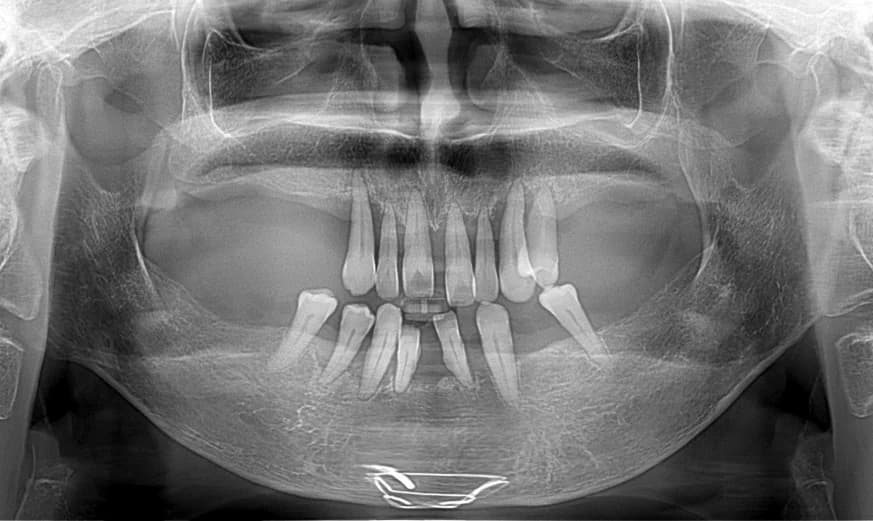 Before
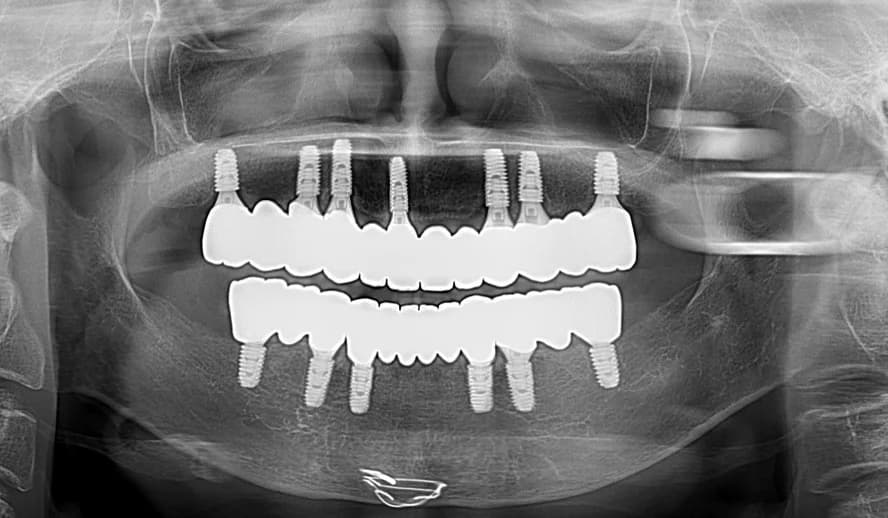 After
AfterImplant
Full-arch Implant Case 2
Patient L. · 2024.10.29 ~ 2025.08.11
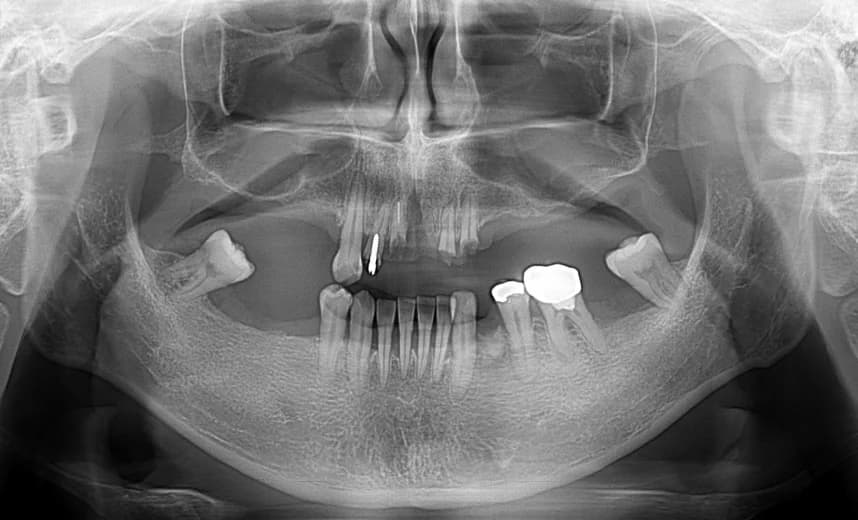 Before
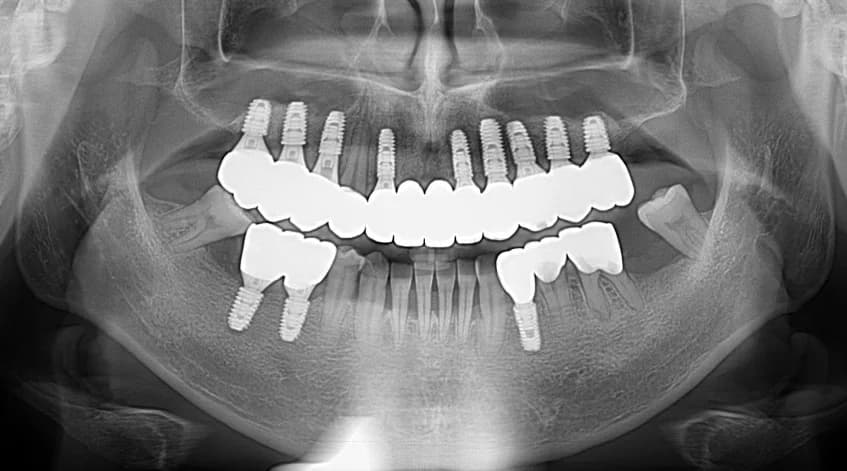 After
AfterImplant
Full-arch Implant Case 3
Patient I. · 2025.04.26 ~ 2026.01.31
* Published with patient consent. Before/after photos are of the same patient under identical shooting conditions.
* Results may vary depending on the patient.
* Side effects such as pain, swelling, bleeding, or infection may occur after treatment.
Patient reviews are available on NAVER Place.
Who stands behind these answers

Hospital Director
Dr. Choi Yong-seok
Oral & Maxillofacial Radiology · Integrated Dentistry · Implantology
“I believe the trust patients feel during treatment matters more than the result itself. Honest explanation and accurate diagnosis — that is where good dentistry begins.”
Representative Director
Dr. Choi Seung-min
Dental Prosthodontics · Implant Prosthodontics · Esthetic Prosthodontics
Board-Certified Prosthodontist (Ministry of Health and Welfare, Korea) · Fellow, Korean Academy of Prosthodontics
Director
Dr. Nam Yun-ju
Oral & Maxillofacial Surgery · Implant Surgery · Wisdom Tooth Extraction
Board-Certified Oral & Maxillofacial Surgeon (Ministry of Health and Welfare, Korea) · Fellow, Korean Association of Maxillofacial Plastic and Reconstructive Surgeons
Equipment
Digital Diagnostics
An integrated system combining 3D cone-beam CT and panoramic X-ray. Supports implant surgical planning, impacted tooth diagnosis, and full-mouth imaging in a single session.
Digital Diagnostics
Real-time guidance of drill position, angle, and depth during implant surgery. Cross-references the pre-operative CT plan to enhance accuracy and safety.
Digital Diagnostics
A digital alternative to conventional impression material. Reduces patient discomfort while improving precision for prosthetics and orthodontic appliances.
Digital Diagnostics
Quantitative light-induced fluorescence (QLF) technology detects early-stage cavities invisible to the naked eye via fluorescence imaging. Enables objective tracking of cavity progression.
Digital Diagnostics
Digital occlusal analysis that measures bite force balance in real time. Objectively verifies occlusal stability after implant and prosthetic treatment.
Infection Control
A Class B autoclave meeting the European EN 13060 standard, used to sterilize all dental instruments.
Process · Treatment Steps
Day 0
3D CBCT, intraoral scanner, and panoramic radiograph are taken, and an oral radiology specialist reads the images directly. Bone volume, nerve location, and sinus anatomy are analyzed to formulate a treatment plan.
Day 1
Performed under local anesthesia; IV sedation can be added if needed. A titanium artificial root (screw-shaped) is firmly placed into the jawbone; the procedure typically takes about 1–2 hours. Time may increase depending on the number of implants or whether bone grafting is required.
Week 2
Sutures are removed and oral hygiene is reviewed. Over the following 2–4 weeks, osseointegration (bonding of the artificial root with the bone) is monitored at follow-up visits.
Month 3–6
Once firm osseointegration is confirmed, the gum is gently reopened and a custom abutment shaped to the patient's gum contour is connected. A 1–2-week healing period is allowed for the gum line to become natural-looking.
Month 4–7
After gum recovery, a digital impression is taken and transmitted directly to our partner laboratory, where the final crown (zirconia) is fabricated to match the patient's natural teeth and then seated. The attending dentist fine-tunes shade, form, and bite in detail.
Month 6+
T-scan occlusal analysis confirms left-right chewing balance, and oral hygiene instruction is provided. Regular check-ups every 3–6 months thereafter support long-term durability.
What happens when you call
01
Name, contact, a brief note on symptoms. We respond within 30 minutes on weekdays.
02
An oral radiology specialist reviews scans together with you on-screen. Alternative options are also discussed.
03
Only the steps you truly need. Full costs are transparently explained at your first consultation.
Still have questions?
We will contact you promptly after your online registration. Consultation is free, and scan results are reviewed together on-screen.
Explore other treatments
Multiple missing teeth — resolved in one treatment
Full-arch restoration with minimal implants, even with bone deficiency
Minimally invasive — less swelling, faster recovery
Implants performed comfortably while you sleep
Restoring sufficient bone to make implants possible
Straight teeth — for health and aesthetics
Are you here because of these symptoms?