01Patient concern
Can I eat normally during the healing period?
A temporary prosthesis is provided immediately after surgery, allowing you to eat soft foods during osseointegration. The final prosthesis is placed once healing is complete.
Answers before you ask
Full-arch restoration with four-specialist collaboration
Full-arch reconstruction · Digital simulation · Custom abutments for every case
Our Numbers · Clinical Standards
4
board-certified specialists
6~8
Implants per arch
Class B
EN13060 Class B sterilization
20:00
Mon & Thu evening close
First exam & consultation free
Preview results via CT + intraoral scan
Age 65+ National Health Insurance
Eligibility pre-checked
Evening hours available
Mon & Thu until 8 PM
Definition
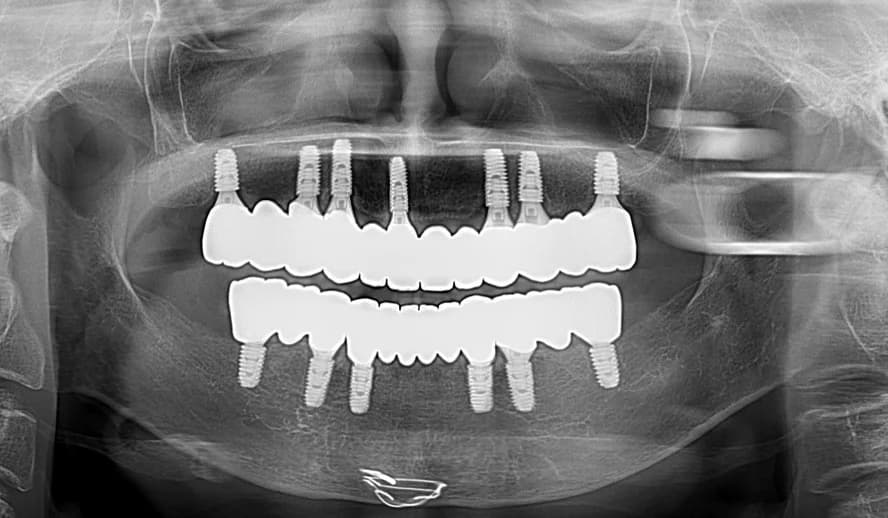
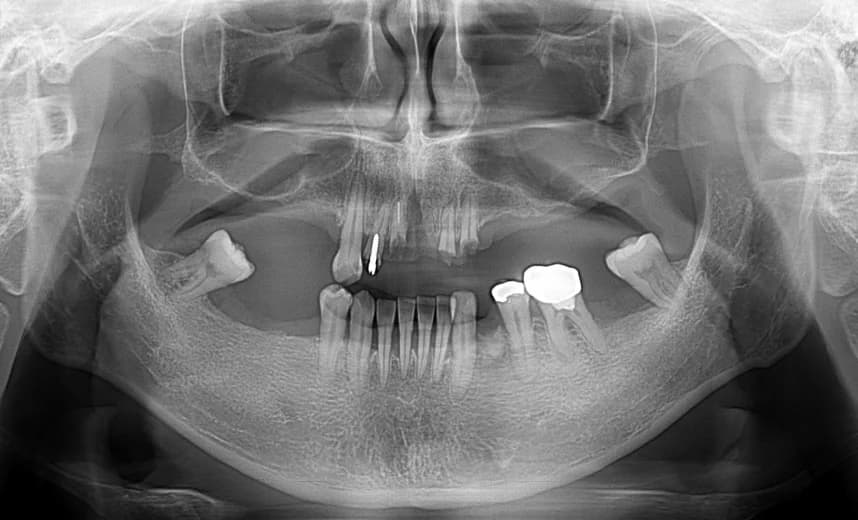
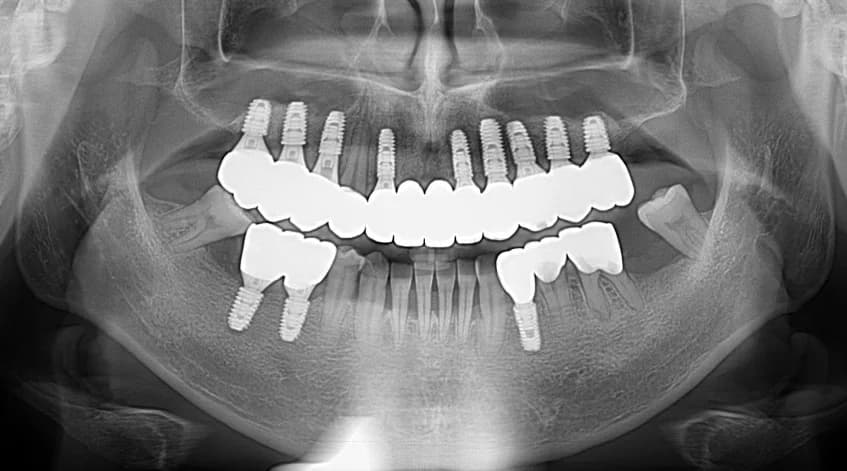
Full-arch implant treatment places multiple implants in the upper and/or lower jaw to support a full-arch prosthesis, restoring chewing function across the entire dental arch.
Rather than placing one implant per missing tooth, 6–8 strategically positioned implants per arch support all the teeth, reducing surgical burden.
A provisional restoration is provided immediately after surgery so you can eat and function during the healing period.
The final prosthesis is designed through digital planning so that occlusion, aesthetics, and phonetics all match naturally.
Benefits
A temporary prosthesis is provided immediately after surgery, allowing you to eat soft foods during osseointegration. The final prosthesis is placed once healing is complete.
Computer-controlled painless anesthesia is applied as standard, and IV sedation is available for patients with high anxiety. You can eat soft foods the same day.
Full-arch implant costs vary with the number of implants, bone grafting requirements, and prosthetic material. Exact pricing is provided transparently after CBCT analysis during the initial consultation.
If bone volume is insufficient, bone grafting or an All-on-X tilted-implant approach can be used. Options are selected based on 3D CT analysis.
Typically 6–8 implants per arch. The exact number depends on bone volume, arch width, and the prosthetic design determined through CBCT analysis.
From placement to the final prosthesis, the process generally takes 4–8 months. If bone grafting is needed, additional time may be required.
A temporary prosthesis is provided immediately after surgery so you can eat soft foods. The final prosthesis is placed after osseointegration is confirmed.
All-on-X is a specific full-arch approach that uses tilted implants to reduce bone grafting requirements. Both are discussed during consultation to determine the best option for your condition.
Patient cases
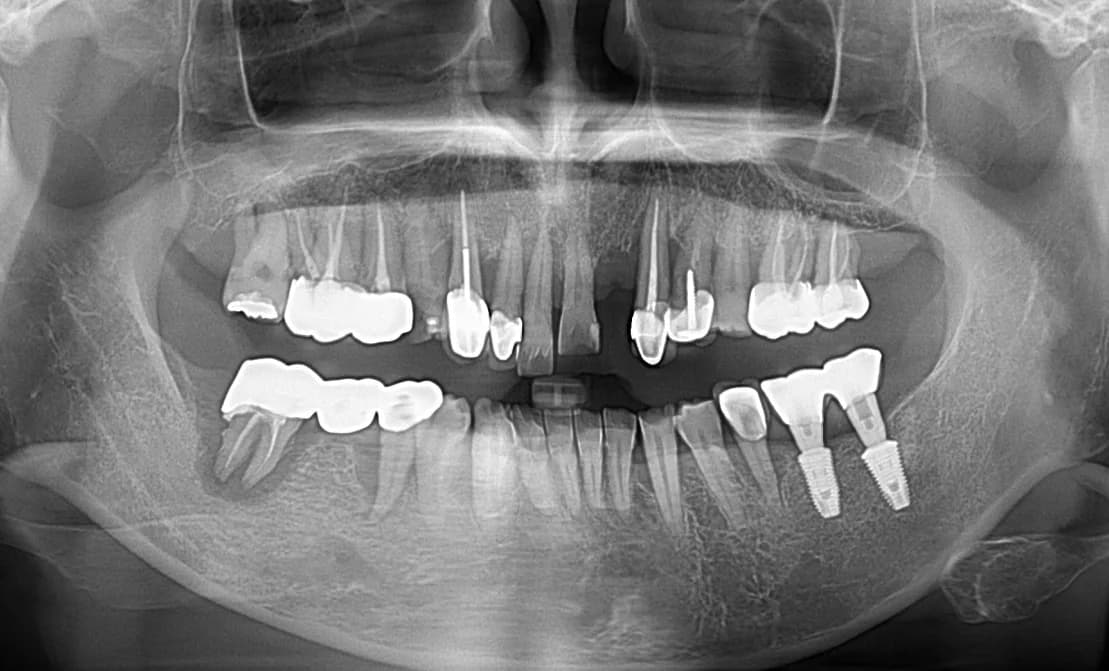 Before
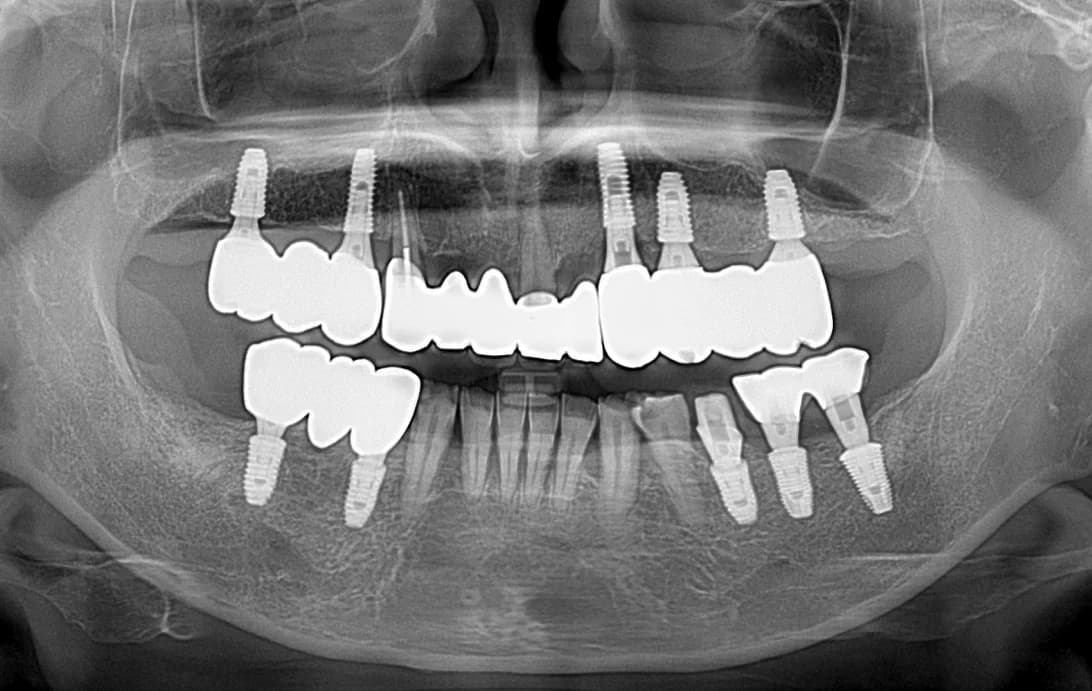 After
AfterImplant
Full-arch Implant Case 1
Patient K. · 2023.09.12 ~ 2025.08.07
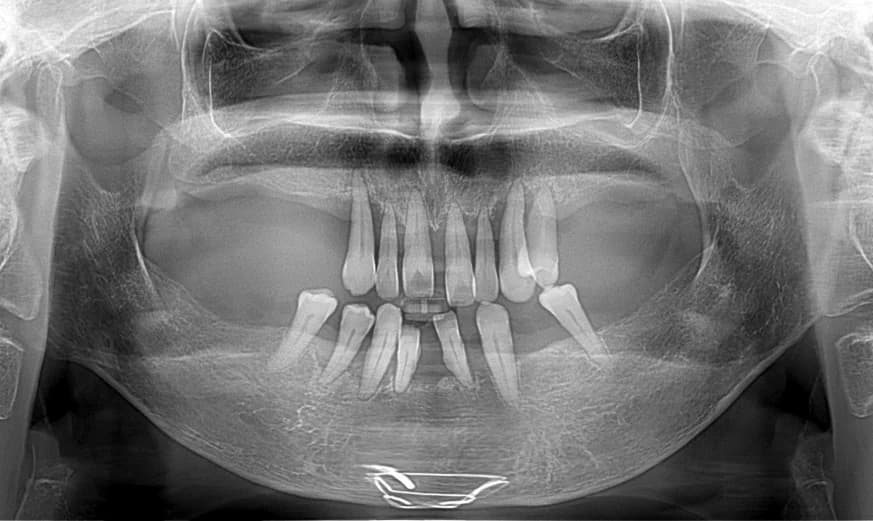 Before
 After
AfterImplant
Full-arch Implant Case 2
Patient L. · 2024.10.29 ~ 2025.08.11
 Before
 After
AfterImplant
Full-arch Implant Case 3
Patient I. · 2025.04.26 ~ 2026.01.31
* Published with patient consent. Before/after photos are of the same patient under identical shooting conditions.
* Results may vary depending on the patient.
* Side effects such as pain, swelling, bleeding, or infection may occur after treatment.
Patient reviews are available on NAVER Place.
Who stands behind these answers
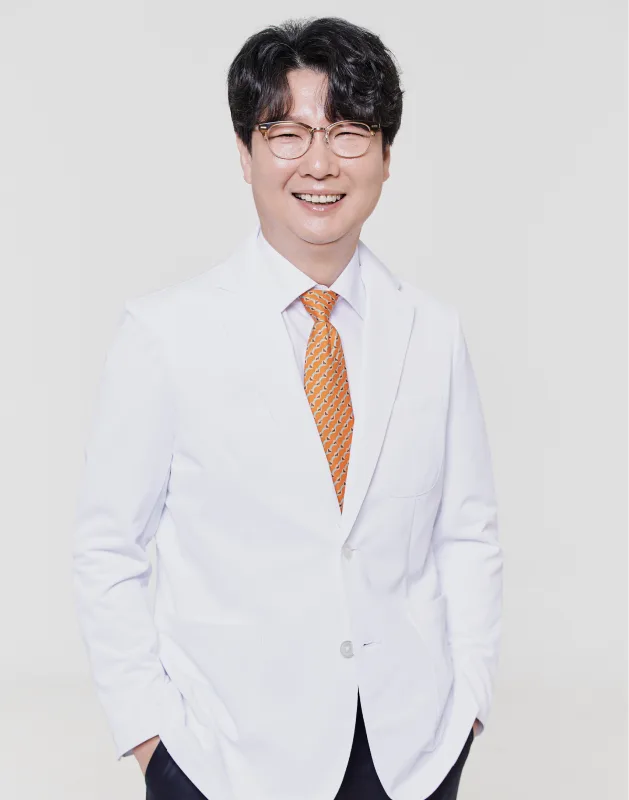
Hospital Director
Dr. Choi Yong-seok
Oral & Maxillofacial Radiology · Integrated Dentistry · Implantology
“I believe the trust patients feel during treatment matters more than the result itself. Honest explanation and accurate diagnosis — that is where good dentistry begins.”
Representative Director
Dr. Choi Seung-min
Dental Prosthodontics · Implant Prosthodontics · Esthetic Prosthodontics
Board-Certified Prosthodontist (Ministry of Health and Welfare, Korea) · Fellow, Korean Academy of Prosthodontics
Director
Dr. Nam Yun-ju
Oral & Maxillofacial Surgery · Implant Surgery · Wisdom Tooth Extraction
Board-Certified Oral & Maxillofacial Surgeon (Ministry of Health and Welfare, Korea) · Fellow, Korean Association of Maxillofacial Plastic and Reconstructive Surgeons
Step 01
CBCT, intraoral scanner, and panoramic radiograph are analyzed by the four-specialist team to formulate an individualized reconstruction plan.
Step 02
Optimal implant positions are selected through digital planning, and a precision surgical guide is fabricated.
Step 03
6–8 implants are placed per arch under painless anesthesia using the surgical guide. A provisional restoration is provided the same day.
Step 04
Bone bonding is monitored over 3–6 months. The gum and bone heal around the implants during this period.
Step 05
Digital impression data are transmitted to our partner laboratory, and the final full-arch prosthesis is fabricated and seated. Occlusion is precisely adjusted by the attending dentist.
What happens when you call
01
Name, contact, and a brief note on symptoms. We respond within 30 minutes on weekdays.
02
An oral radiology specialist reviews the scans together with you on screen. Alternative options are also discussed.
03
Only the steps you truly need. Full costs are transparently explained at your first consultation.
Still have questions?
We will contact you promptly after your online registration. Consultation is free and scan results are reviewed together on-screen.
Explore other treatments
End the discomfort of missing teeth
Full-arch restoration with minimal implants, even with bone deficiency
Minimally invasive — less swelling, faster recovery
Implants performed comfortably while you sleep
Restoring sufficient bone to make implants possible
Straight teeth — for health and aesthetics
Are you here because of these symptoms?